What inspectors actually check
Security deposits are almost never lost over something dramatic. They are lost over a list of small, specific, entirely predictable items that take a property manager about eleven minutes to walk and photograph. Knowing that list in advance is most of the job.
The inspection follows a pattern. The inspector enters, looks at the floor, then the walls at eye level, then works room to room opening things: the oven, the refrigerator, the cabinets, the medicine cabinet, the closet shelves. They check the tracks of sliding doors and windows. They look behind the toilet and under the sinks. Then they photograph anything they intend to deduct for.
Everything on that route is cleanable in an afternoon. What sinks deposits is that most people clean the surfaces they used and skip the surfaces they never noticed — which are precisely the ones that appear in inspection photographs.
The kitchen, in inspection order

The kitchen carries more deposit risk than any other room. Start with the oven, because it takes the longest and needs dwell time. That means the racks out and soaking, the interior treated and left, the glass in the door handled from both sides, and the drawer or broiler compartment underneath cleared — that compartment is checked more often than people expect.
Then the refrigerator. Empty it completely, pull the shelves and drawers and wash them separately, clean the interior walls and the door seals — the rubber gasket is a favourite inspection point and it is almost always missed. Vacuum the coils if they are accessible, and clean the floor underneath if the unit rolls out. Leave it running unless your lease says otherwise; a warm sealed refrigerator develops odour fast.
Next the range hood and filter, which lifts out and can usually go in a degreasing soak. Then cabinet interiors, including the tops of the interior shelves, and cabinet doors including the greasy underside edge where fingers pull them open. Then the sink, the faucet, the drain and the garbage disposal splash guard.
Finish with the exhaust behind the range, the backsplash grout, and the floor along the toe kicks. If the range pulls out, clean behind and beside it. That gap is where an inspector will point a phone camera.
Bathrooms and the deposit
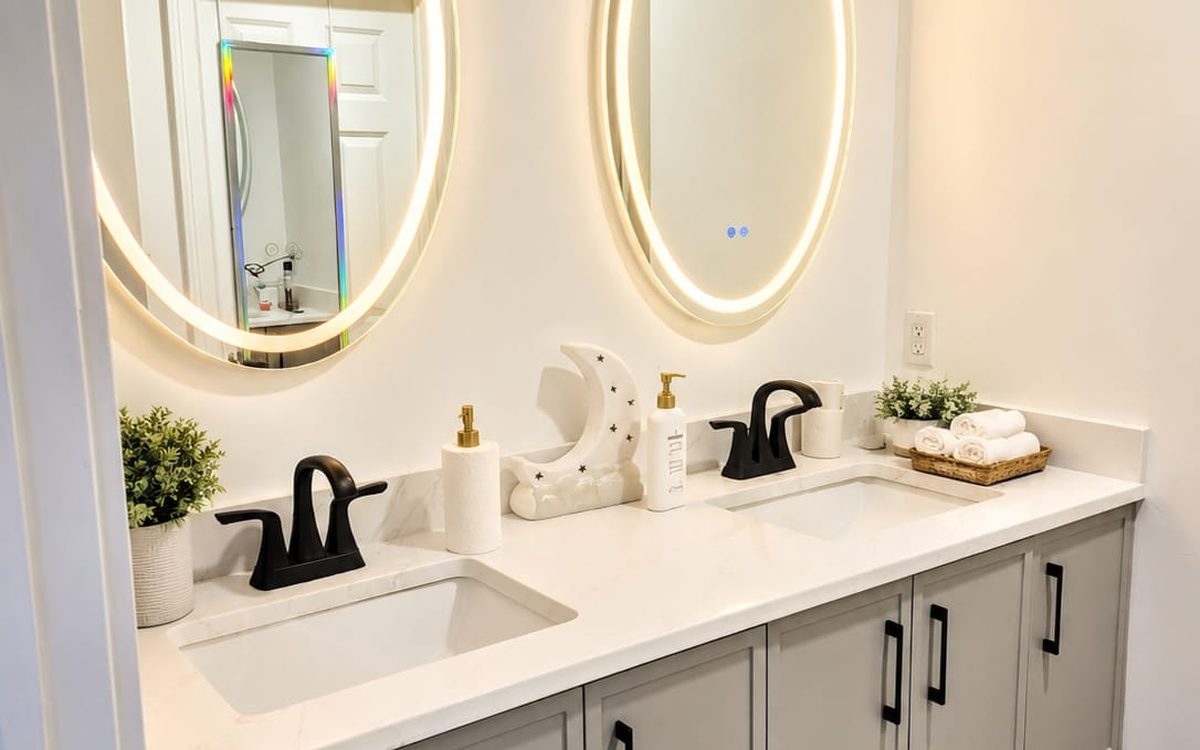
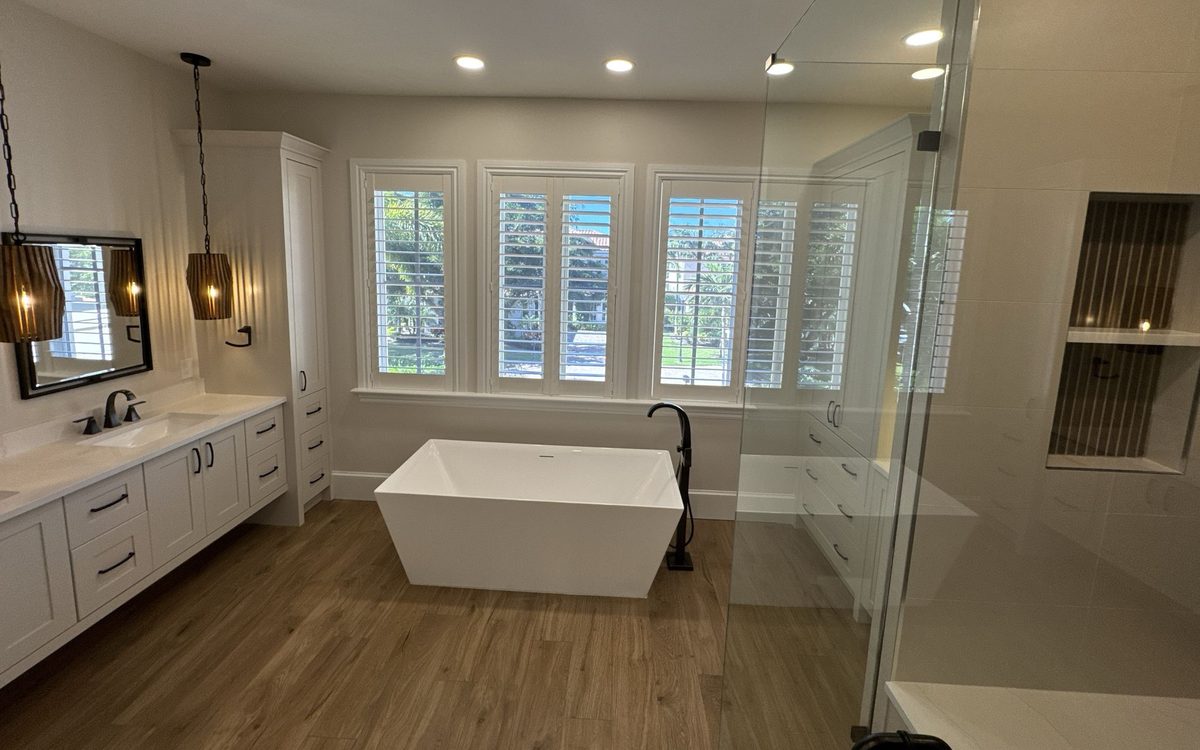
Bathrooms are the second-largest source of deductions and the easiest to get right, because the problems are visible. Hard-water scale on fixtures, soap scum on glass and tile, mould in caulk lines, and staining in the toilet bowl at the water line account for most of it.
Scale on chrome comes off with an acidic descaler and patience. Shower glass usually needs a dedicated treatment followed by a second pass. Grout needs a brush and section-by-section work — mopping the floor does not clean grout, it just wets it.
Caulk with mould growing inside the bead is the one item where cleaning fails. Cut it out, clean the channel, and re-run a bead of mildew-resistant silicone. It costs a few dollars, takes twenty minutes, and turns a likely deduction into a non-issue.
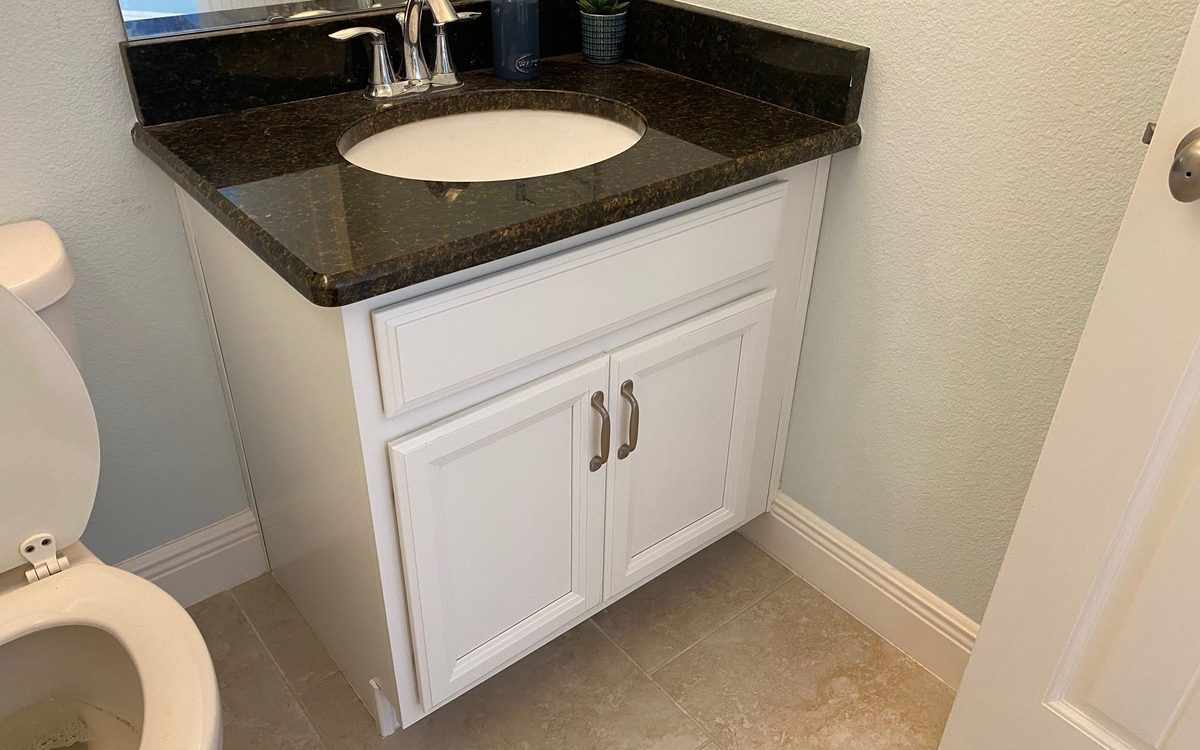
Then the parts people skip: behind and around the base of the toilet, the underside of the seat and its hinges, the exhaust fan cover, the medicine cabinet interior and the underside of the vanity where plumbing enters.
Almost every disputed deduction we have heard about came from a surface the tenant never looked at, not one they cleaned badly.
Floors, walls and the things nobody photographs
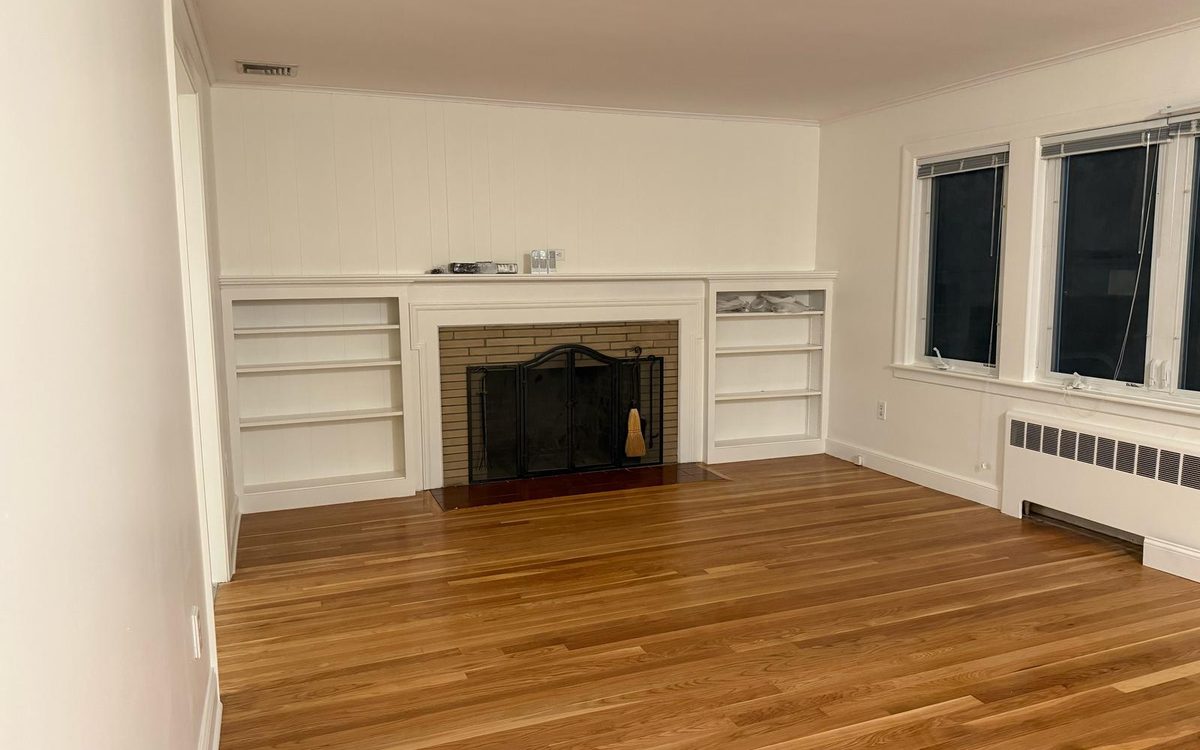
With furniture gone, floors are fully exposed for the first time in years. Vacuum the entire perimeter with an edge attachment before mopping, and pay attention to the corners of every closet. Hard floors want a final mop with clean water so no residue dries in a film.
Walls need scuff removal rather than washing. A melamine sponge handles most marks, though it is mildly abrasive so it should be tested on flat paint first. Nail holes are a repair question, not a cleaning one; check your lease, because many leases treat small holes as normal wear and some do not.
Then the invisible list: window tracks, which collect a distinctive grit-and-dead-insect mixture and are always checked; sliding door channels; window sills; blinds, slat by slat; light fixtures and their bug reservoirs; ceiling fan blades; switch plates and outlet covers; the tops of doors and door frames; closet shelving including the rod; and every air vent.
Finally, the outdoor edge of the unit if you have one — balcony floor, patio, the inside of a storage locker. These are part of the leased premises and they are inspected.
Timing the clean correctly

Clean after the unit is empty, not before. Every hour spent cleaning around remaining furniture is an hour that will be partly redone, and the areas under furniture are exactly the ones being inspected.
Leave the utilities on until after the clean and the inspection. Cleaning a unit with no hot water and no lighting is genuinely difficult, and inspectors cannot properly assess a dark apartment — which tends not to work in the tenant's favour.
If you can, walk the unit with your own camera before handing over keys, in daylight, photographing every room and every surface you cleaned. Time-stamped photographs settle disputes faster than any argument.
When to hire it out
The arithmetic is usually straightforward. A professional move-out clean on a two-bedroom apartment costs a fraction of a typical security deposit, takes four to six hours with a proper team, and is finished on the day you schedule it rather than the day you find energy for it.
It is also the moment when your remaining time is worth the most. You are coordinating movers, changing addresses, cleaning a new place and working. This is the task with a hard deadline attached to a specific sum of money, and it is the easiest one to hand off.
If you do hire someone, be direct about what the lease requires and hand over the inspection checklist if the landlord provided one. A cleaner working from the actual checklist will clean the actual items. A cleaner working from a generic template will do excellent work on the wrong list.
Questions readers ask
Ideally the day before, with the unit completely empty and utilities still connected. That leaves room to fix anything the walk-through reveals without the pressure of a same-day handover.
They overlap heavily, with two differences. A move-out clean covers an empty unit, so it reaches everything that furniture normally hides, and it prioritises the items on a landlord's inspection route — appliance interiors, cabinet interiors, tracks and closets — over general living comfort.
Read the lease carefully. A non-refundable cleaning fee sometimes covers a standard turnover clean only, with anything beyond that billed against the deposit. Where the language is ambiguous, cleaning the unit properly still costs less than the deduction you might be arguing about later.