The three things that carry perception
A ten-person office does not need a janitorial contract written for a hospital. It needs three things done correctly and predictably, and almost everything else is secondary.
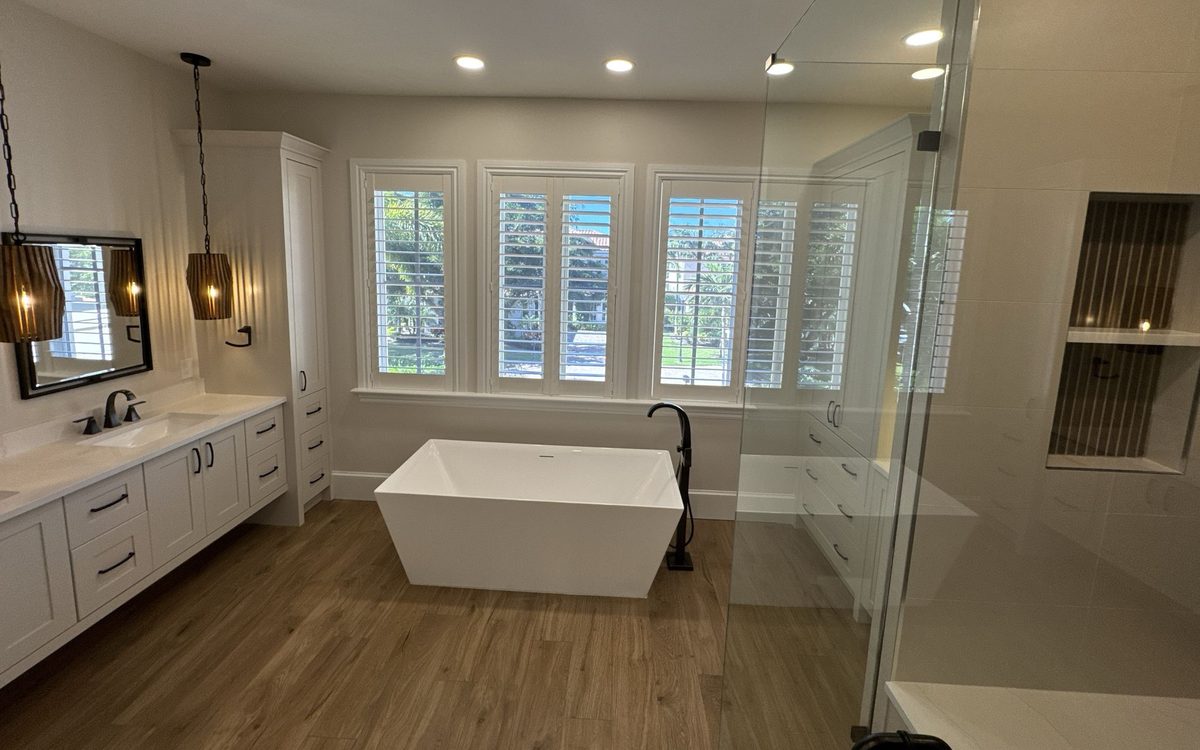
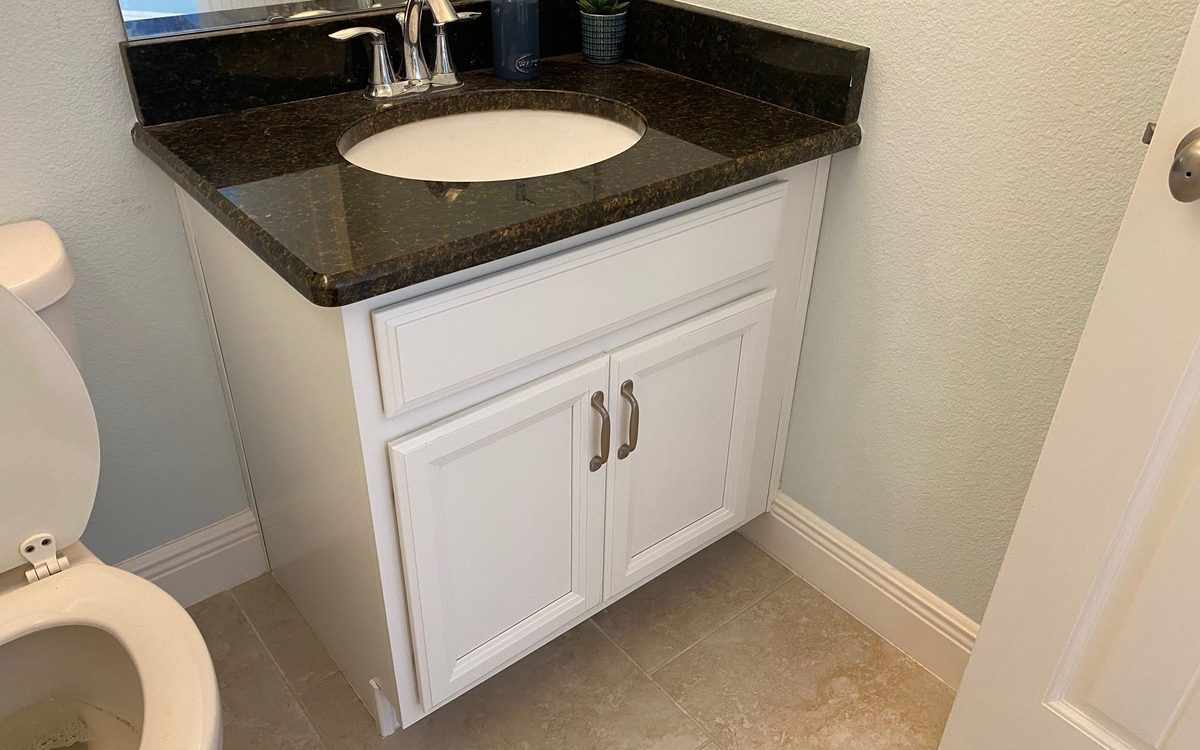
The first is restrooms. Nothing else in a workplace moves a visitor's opinion as quickly or as far. A restroom that is clean, stocked and free of odour is invisible; one that is not becomes the single detail a client remembers about the visit.
The second is the entry and reception area — glass, door handles, floor, and the first two metres inside the door. This is where every judgement is formed, and it is a small enough area to hold to a high standard every single visit.
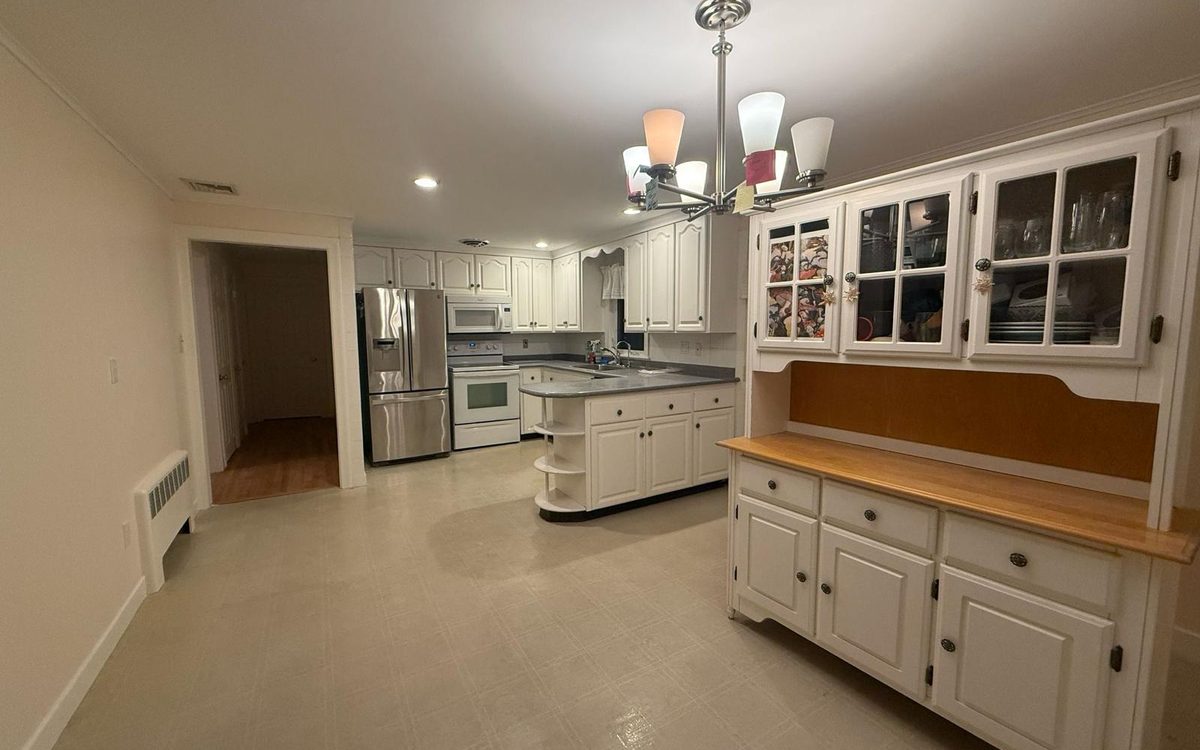
The third is the kitchen or break area, which matters less to visitors and enormously to staff. It is the most common source of internal complaints about cleaning, largely because it is the one shared space where neglect is personal.
Get those three right on every visit and the rest of the office can run on rotation without anyone noticing a gap.
Daily-touch versus rotation

Professional commercial cleaning splits work into two categories. Daily-touch items happen every visit without exception: restrooms, kitchen, entry, trash and recycling, high-touch surfaces such as handles and light switches, and floors in circulation areas.
Rotation items happen on a documented cycle, typically monthly or quarterly: interior glass and partitions, baseboards, high dusting, vents and returns, chair bases and under-desk floor areas, appliance interiors, and light fixtures.
The critical part is that the rotation is written down and dated. A provider who can tell you that partition glass is done the first Tuesday of the month, and show you it happened, is running a real programme. One who says everything is done "as needed" is running an improvisation, and improvisations decay quietly.
Ask when the vents were last vacuumed. The speed of the answer tells you everything about whether a rotation exists.
Reading a commercial quote honestly
Commercial quotes are usually presented as a monthly figure, which conceals the number that actually determines quality: how many labour hours the space receives per visit.
Divide it out. A monthly price divided by visits per month, divided again by the provider's realistic hourly cost, tells you roughly how many person-hours your space is getting. If the answer is forty-five minutes for a 3,000-square-foot office with two restrooms, the work being described in the proposal is not the work that will occur.
This is not about finding the cheapest hourly rate. It is about checking that the promised scope and the priced time are the same job. A slightly higher quote with honest hours will outperform a low quote with impossible ones every time, and it will still be in place in two years.
What should be in writing
At minimum: the daily-touch list, the rotation schedule with frequencies, visit days and time windows, who supplies consumables, how access works, the escalation contact, and insurance confirmation. A one-page scope document covers all of it. Any provider unwilling to produce one is telling you something useful.
Access, keys and security
After-hours cleaning means someone is in your space when nobody else is, and that needs to be handled as a security matter rather than an afterthought.
Agree in writing how access works — keys, fob, code or lockbox — and whether access sits with the company or with an individual cleaner. Company-level access with a documented handover process is safer, because staff changes do not create loose ends.
Set the alarm procedure explicitly: the disarm sequence, the arm-on-exit requirement, who is called if the alarm triggers, and what happens if a door is found unsecured on arrival. And confirm insurance before the first visit, including whether your landlord requires a certificate naming the building.
How cheap contracts fail

The failure pattern is consistent enough to predict. Month one is excellent, because the provider is proving themselves. Months two and three are good. Somewhere around month four the visit gets shorter, because the price only ever worked at a shorter visit.
Rotation items are the first to go, and they are invisible for a while. Nobody notices that the vents have not been vacuumed since spring. By month eight the baseboards are grey, the partition glass has handprints at shoulder height, and the kitchen appliances have not been opened in half a year.
The nightly work still looks fine, which is why these arrangements survive as long as they do. The office is being maintained at a surface level while everything below that level accumulates — and the eventual fix is a deep clean that costs more than the savings ever amounted to.
Questions worth asking before you sign
Ask how many person-hours the visit is priced for. Ask to see the rotation schedule as a document. Ask whether the same team will attend each visit, and what happens when someone is sick. Ask how access and alarm codes are managed at the company level.
Ask what happens when something is missed — specifically, what the response time is and whether a return visit is included or billed. Ask for two references from businesses of similar size that have been clients for more than a year, which filters out providers whose accounts do not last that long.
Finally, ask them what they would not do. A provider who says yes to everything has either not thought about your space or is planning to sort it out later, and later usually means a shorter visit.
Questions readers ask
Most offices under about thirty people do well with two or three visits a week, with restrooms and kitchen handled every visit. Daily service becomes worthwhile when you have client-facing foot traffic, food preparation on site, or shared equipment used by everyone.
After hours in almost every case. The work is faster and more thorough without people in the space, and your staff are not working next to a vacuum. Early morning before opening is the usual alternative when evening access is difficult.
Either arrangement works. Many small businesses buy their own consumables and have the cleaning service restock and flag low levels; others prefer the provider to purchase and bill through. Whichever you choose, put it in the scope document so nobody assumes the other party is handling it.